No place in America does geology like the Big Island — the youngest land on Earth, still being made. One volcano (Kilauea) performs, another (Mauna Kea) watches the universe, and the coastline between them wears the evidence in black and green sand. Here's how to build the volcano trip.
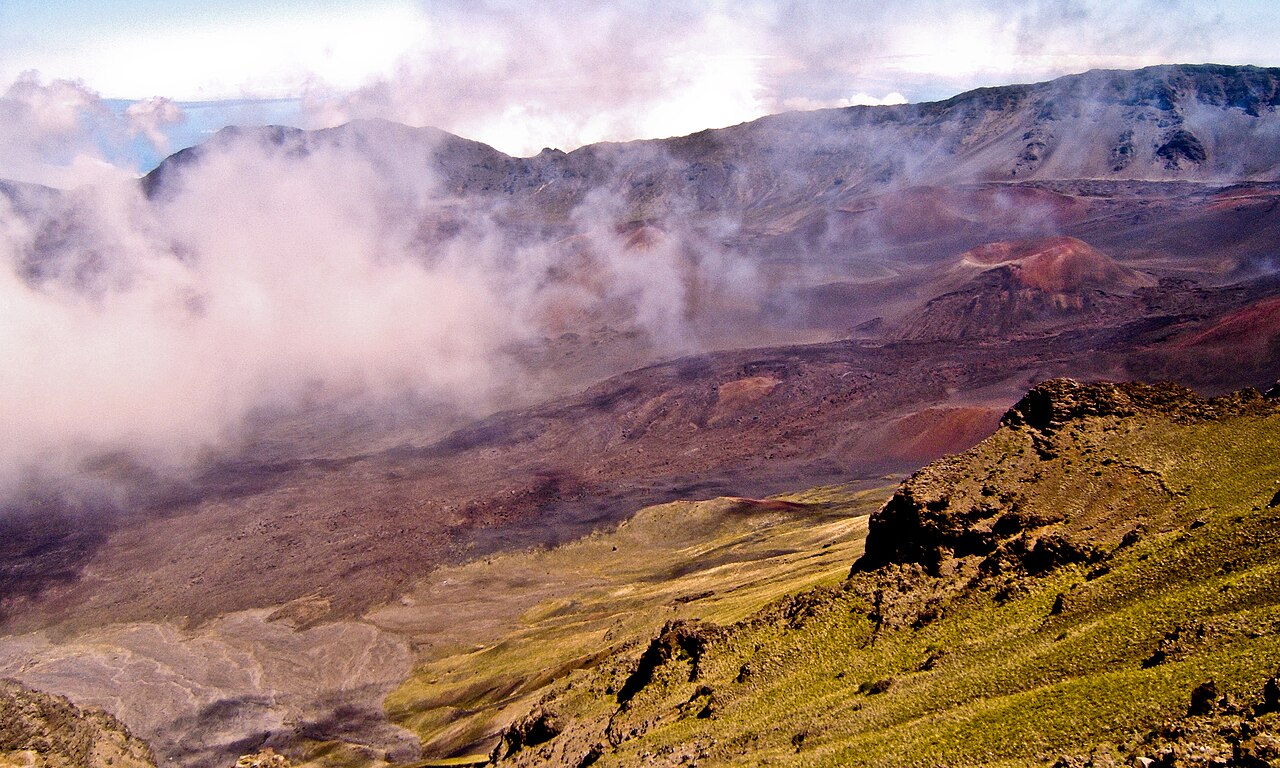
Understand the stage. Kilauea, inside Hawaii Volcanoes National Park, is the active one — decades of eruptions, a vast summit caldera (dramatically collapsed and reshaped in 2018), and periodic lava lakes that glow against the night. Mauna Loa, its massive neighbor, erupts rarely but memorably. Mauna Kea, dormant and sacred, rises highest of all — the world's premier stargazing summit. The park sits near Hilo on the island's east; the resorts sit on the west (Kona/Kohala): 2-2.5 hours apart. The single best upgrade to any volcano plan: sleep a night in Volcano Village or Hilo instead of round-tripping.
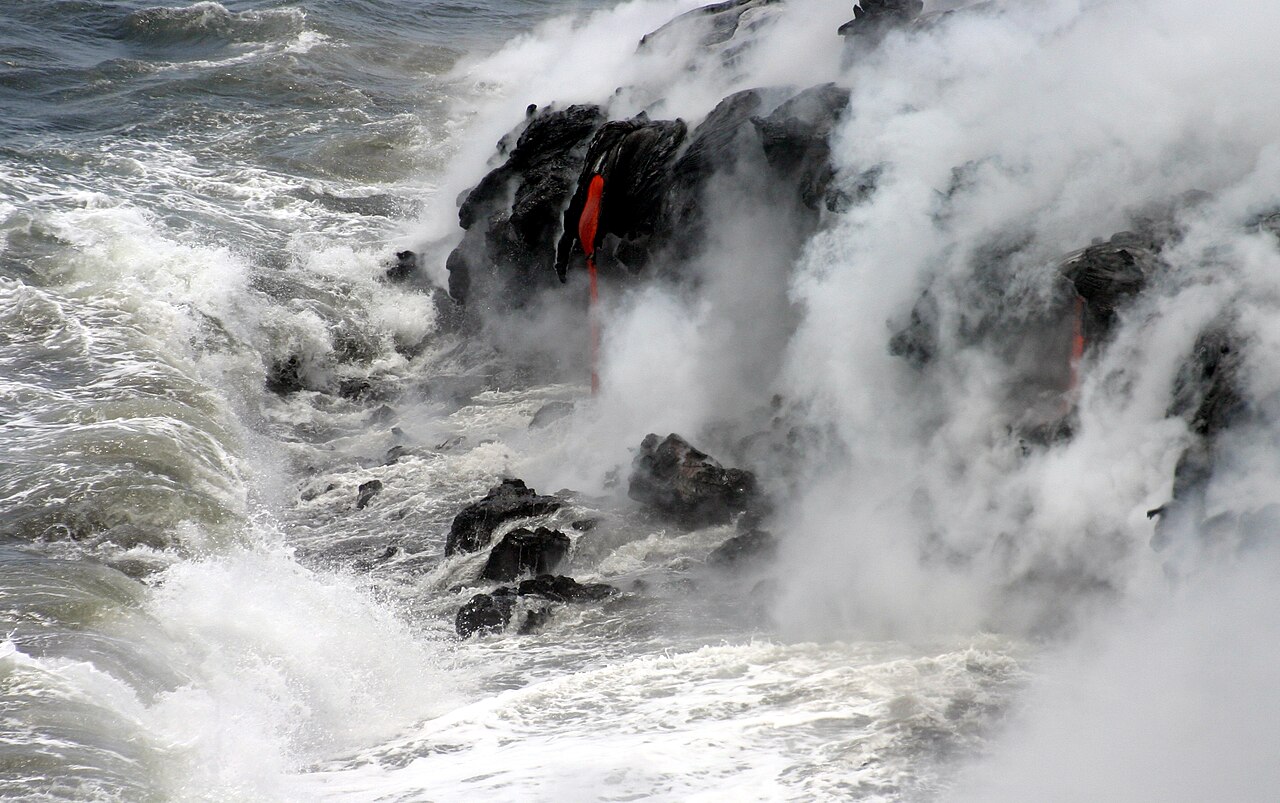
The park's perfect day. Arrive by mid-morning: visitor center for current conditions, then the Crater Rim — steam vents, sulphur banks, and the caldera overlooks (binoculars reward). Midday: hike Kilauea Iki, the island's best half-day trail — down through rainforest, across the still-steaming 1959 lava-lake floor, and out (4 miles; carry water). Walk Nahuku, the Thurston Lava Tube, while you're beside it. Afternoon: drive the Chain of Craters Road all 19 downhill miles — decades of flows, cinder cones, petroglyphs at Puu Loa, and the Holei Sea Arch where lava meets ocean. Evening: if an eruption is active, return to the marked overlooks after dark for the glow — the reason to be sleeping nearby.
About "seeing lava." Be honest with expectations: surface lava appears and vanishes on Pele's schedule, not your itinerary. Check the park's current-conditions page in your planning week and again that morning. If a summit lake is active, nighttime viewing from sanctioned overlooks is unforgettable and easy. If nothing's erupting, the park remains magnificent — the steaming caldera, the crater floor underfoot, the lava tube, the coast road. Chasing rumors beyond closures is how visitors get hurt and fined; don't.
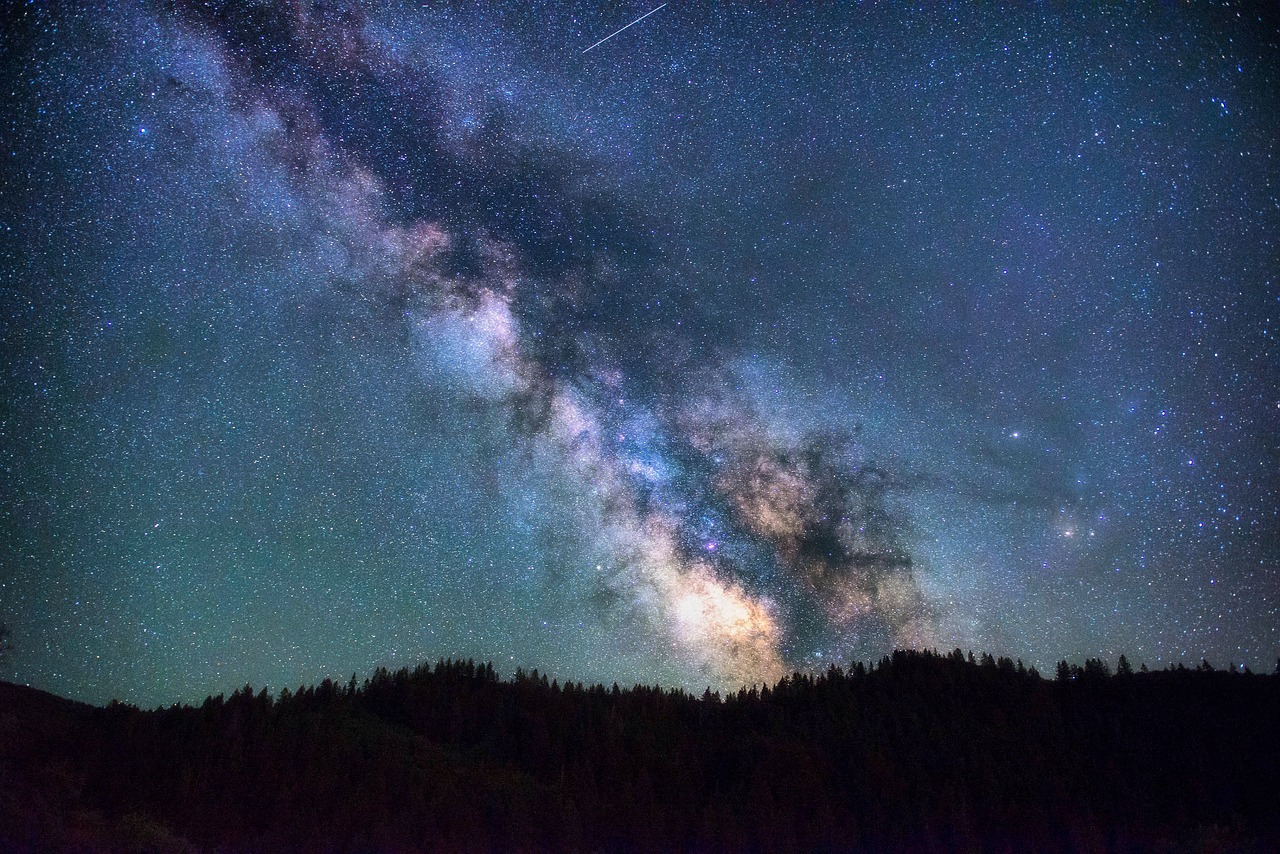
Mauna Kea's evening. On another day (never the same one — altitude after exertion is rough), drive or tour to the Visitor Information Station at 9,200 feet an hour before sunset: watch the sun drown in the cloud sea, then stay for a sky so dark the Milky Way casts shade. Dress for winter year-round; acclimate at the VIS; leave the true summit to proper 4WD, daylight, and those without health constraints — and remember the mauna is sacred ground. Guided tours (parkas, telescopes, cocoa) earn their fee.
The lava coast between. Driving between Kona and the park, collect the shorelines volcanoes build: Punaluu's jet-black sand where green sea turtles haul out (respectful distance, always), and — for the committed — the olivine-green sand of Papakolea near South Point, a 5-mile round-trip hike (skip the illegal truck shuttles). Add a Kona manta-ray night snorkel or a coffee-farm tour to complete the island's elemental set: fire, stars, and sea.
Packing the volcano kit. Layers (the park sits at 4,000 feet; Mauna Kea's VIS at 9,200), rain shell, real shoes for lava rock, headlamp for after-dark overlooks, water everywhere, and patience — the Big Island is twice the size it looks on the map, and its wonders don't hurry.