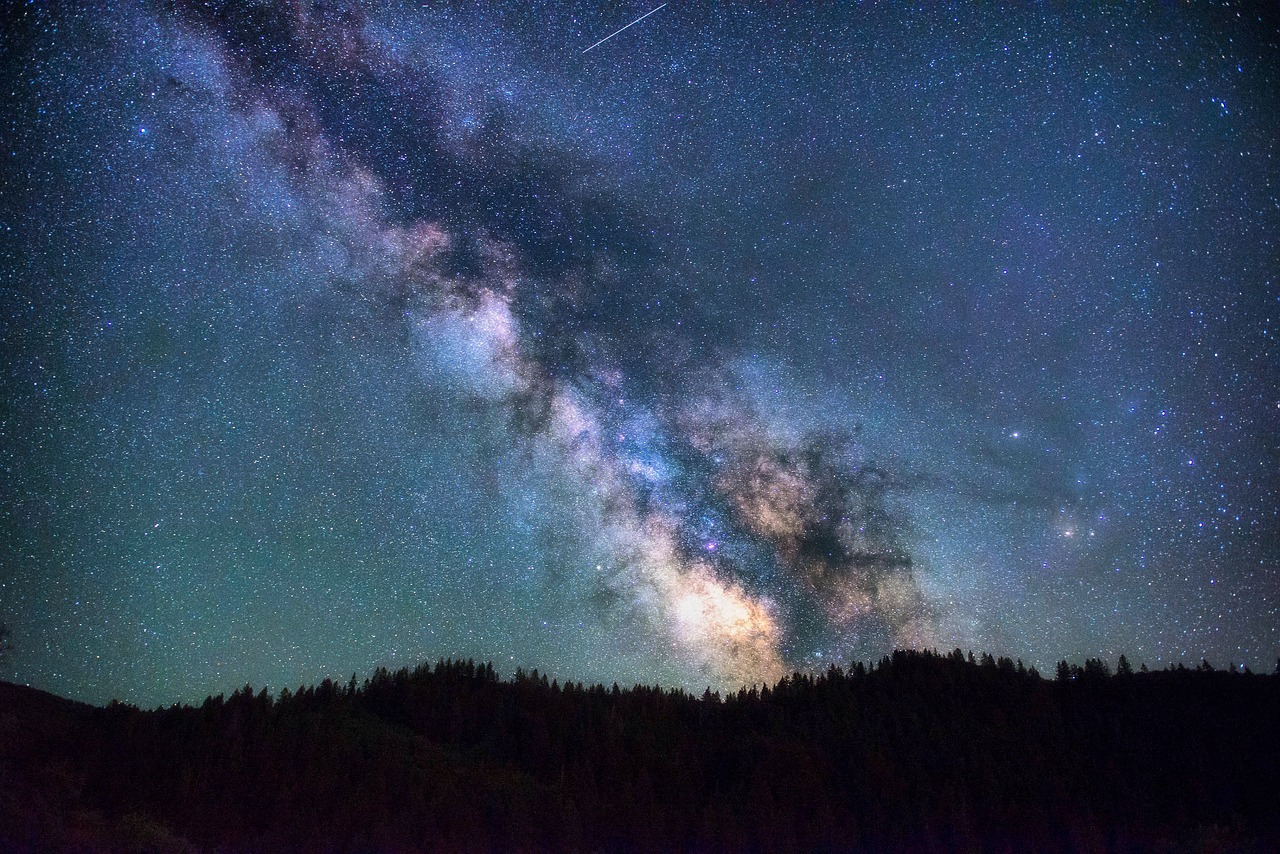
Mauna Kea Stargazing (Big Island)
Visitor Guide to Earth's Clearest Night Sky
⏱ Evening👤 All ages$
Get Tickets
Get Mauna Kea Tickets
Skip the line · mobile tickets accepted at the door
Measured from its seafloor base, Mauna Kea is the tallest mountain on Earth — and from its upper slopes, above 40 percent of the atmosphere and the cloud layer, the universe shows off: steady air, minimal light pollution, and the Milky Way bright enough to cast a shadow. It is also among the most sacred places in Hawaiian cosmology, the realm of Wakea, and ongoing stewardship debates deserve every visitor's respect: follow guidance, stay on established areas, and treat the mauna as the holy ground it is.
The practical visit: drive (or join a tour) up the Mauna Kea Access Road to the Visitor Information Station at 9,200 feet, arriving before sunset to acclimate. Watch the sun sink into the cloud sea — one of Hawaii's great sights — then stay as true darkness falls and the sky ignites. Rangers and (on many nights) volunteer programs offer orientation; guided tour operators bring telescopes, parkas, and hot drinks, which earns their price. The summit road beyond the VIS requires genuine low-range 4WD, is often restricted, and closes to visitors around dark; the observatories don't host public viewing. The VIS level is where stargazing happens — and it's extraordinary.
Altitude is the real consideration: 9,200 feet affects many people (the summit's 13,800 affects nearly everyone), so acclimate at the VIS, skip the summit if pregnant, under 13, or with heart/respiratory conditions, and avoid the mountain within 24 hours of scuba diving. Temperatures drop near or below freezing after dark year-round — bring everything warm you own. Check road and weather status before heading up; winter storms genuinely close it (yes, snow in Hawaii).
What to Expect
Format
Sunset and stargazing from the Visitor Information Station at 9,200 feet — self-drive or guided tours (telescopes and parkas included on tours). Summit access is 4WD-only, restricted, and closed to visitors after dark.
Best Time
Arrive 1-1.5 hours before sunset to acclimate; stay 1-2 hours after dark for full night sky. New-moon weeks are darkest; any clear night impresses.
Duration
An evening — roughly 4-6 hours with drive time from Kona or Hilo.
Tips
Dress for winter — near-freezing after dark year-round. Acclimate at the VIS; hydrate; skip the summit with kids under 13 or health risks, and never within 24 hours of diving. Check road/weather status first. Guided tours solve 4WD, parkas, and telescopes in one booking. Respect the mauna's sacredness.
⚡ Quick Picks
Best For
Stargazers and sunset chasers — the clearest sky most people will ever stand under.
Families
Fine for school-age kids at the VIS level (bundle them heavily); the summit is not for under-13s.
Couples
Sunset above the clouds followed by the Milky Way — bring a blanket and make a night of it.
Pair With
A Hilo or Saddle Road day; many pair it with Volcanoes National Park across a two-day Big Island east-side swing.
Time Needed
An evening (plus drives).
Ready to book Mauna Kea?
Get Tickets →Frequently Asked Questions
Can I drive to the summit?
Only with true 4WD (low range), conditions permitting — and the summit area closes to visitors around dark; stargazing happens at the 9,200-foot Visitor Information Station, not the observatories. Most rental agreements prohibit the summit road; tours are the simple answer.
How cold does it get?
Near or below freezing after dark year-round at the VIS, colder at the summit — winter storms bring snow. Bring genuine cold-weather layers; tours typically provide parkas.
Is altitude a problem?
It can be — 9,200 feet affects some people and 13,800 affects most. Acclimate at the VIS, hydrate, and avoid the summit if pregnant, under 13, with cardiac/respiratory conditions, or within 24 hours of scuba diving.
Do the observatories do tours?
No public nighttime viewing — the research telescopes aren't visitor facilities. The VIS-level stargazing (and guided tours' telescopes) is the visitor experience, and it's world-class.
Why is Mauna Kea sacred?
In Hawaiian tradition it is the firstborn of the islands and realm of the divine — among the most sacred sites in the culture. Visit as a guest: follow posted guidance, pack out everything, and treat the mountain with reverence.
More Hawaii Attractions
Browse all →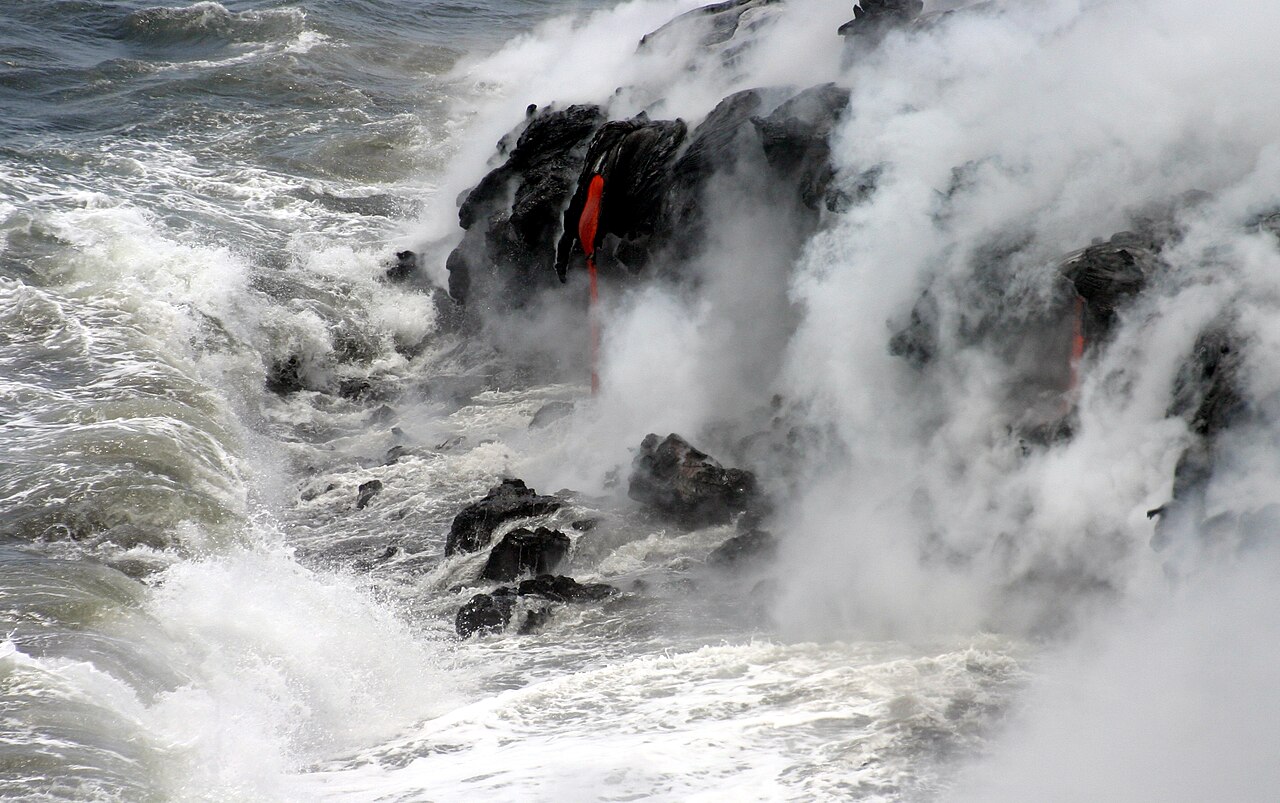
Hawaii Volcanoes National Park (Big Island)
Walk on one of Earth's most active volcanoes — Kilauea's summit caldera and crater, steam vents, a walk-through lava tube, and the Chain of Craters Road down to the sea. Eruption viewing when Pele allows.
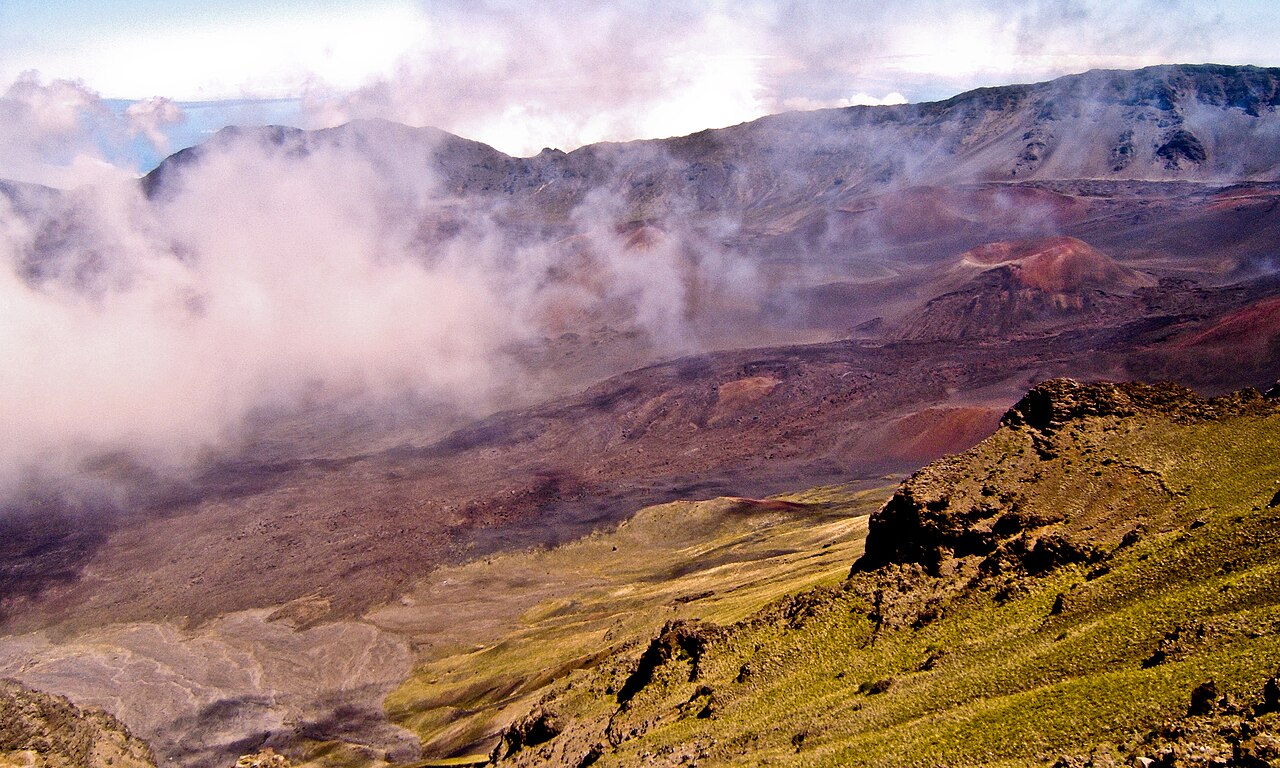
Haleakala National Park (Maui)
Maui's 10,023-foot "House of the Sun" — sunrise above the clouds over a vast volcanic crater, otherworldly summit landscapes, and high-altitude hiking. Sunrise entry requires an advance reservation.
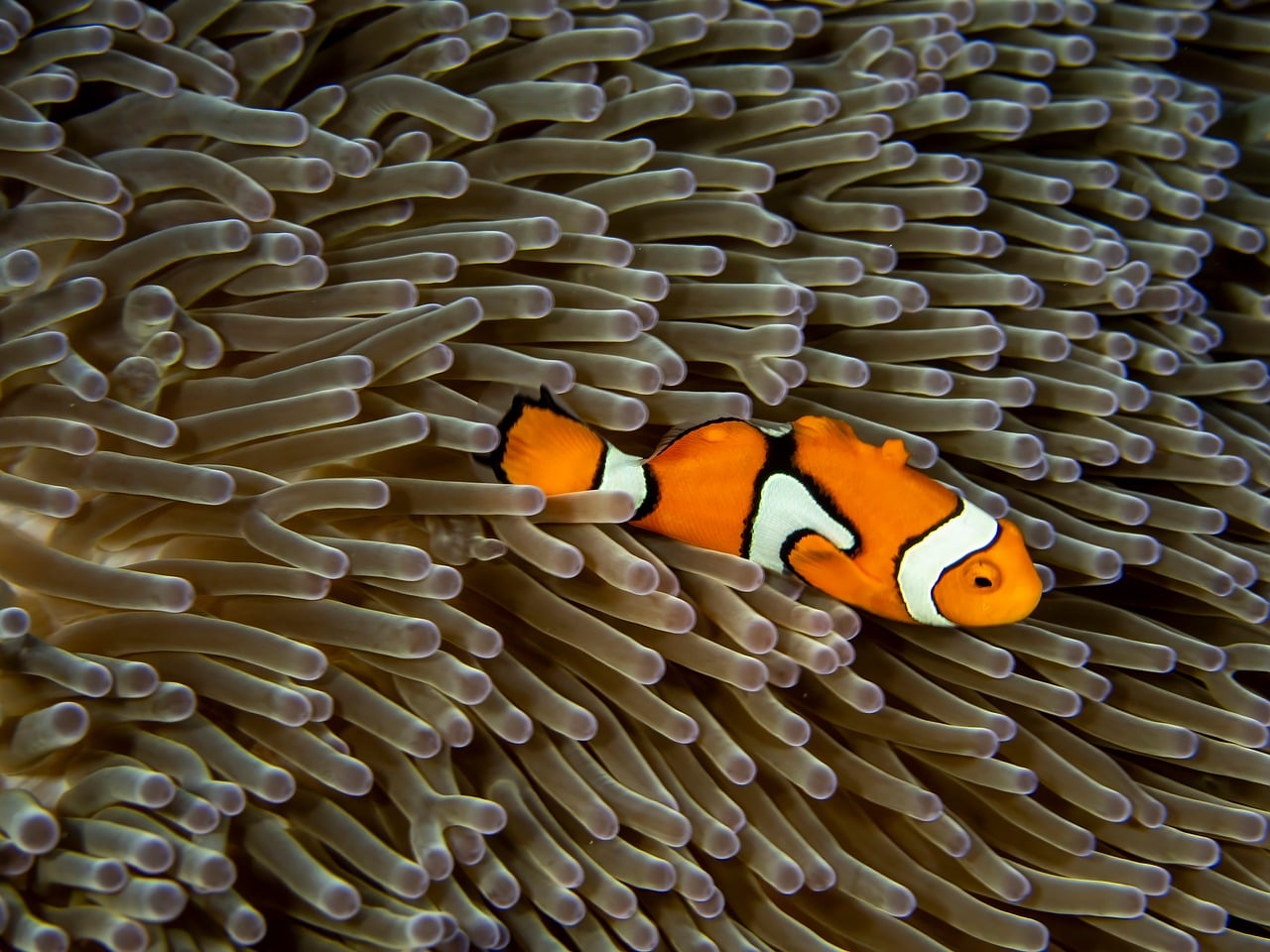
Molokini Crater Snorkel Cruise (Maui)
Snorkel inside a sunken volcanic crater — Molokini's crescent shelters some of Hawaii's clearest water (100-foot-plus visibility) and a protected reef, reached by morning boat tours from Maui's south shore.