Hawaii rewards planning more than almost any destination in America — not because it's difficult, but because "Hawaii" is really four distinct destinations wearing one name. Get the island choice and the logistics right, and the islands do the rest. Here's the first-timer's foundation.
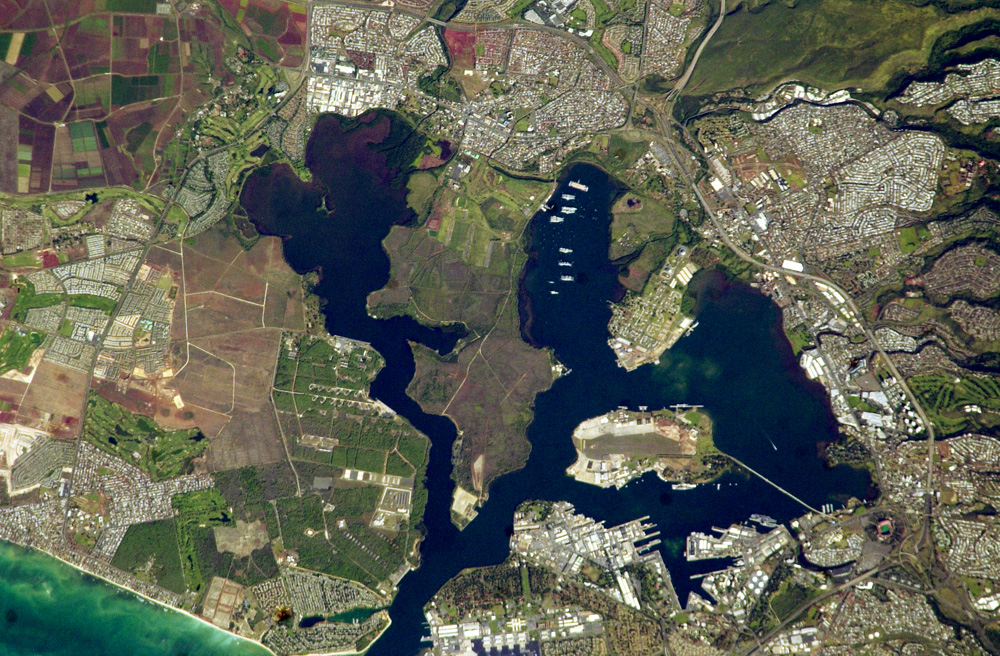
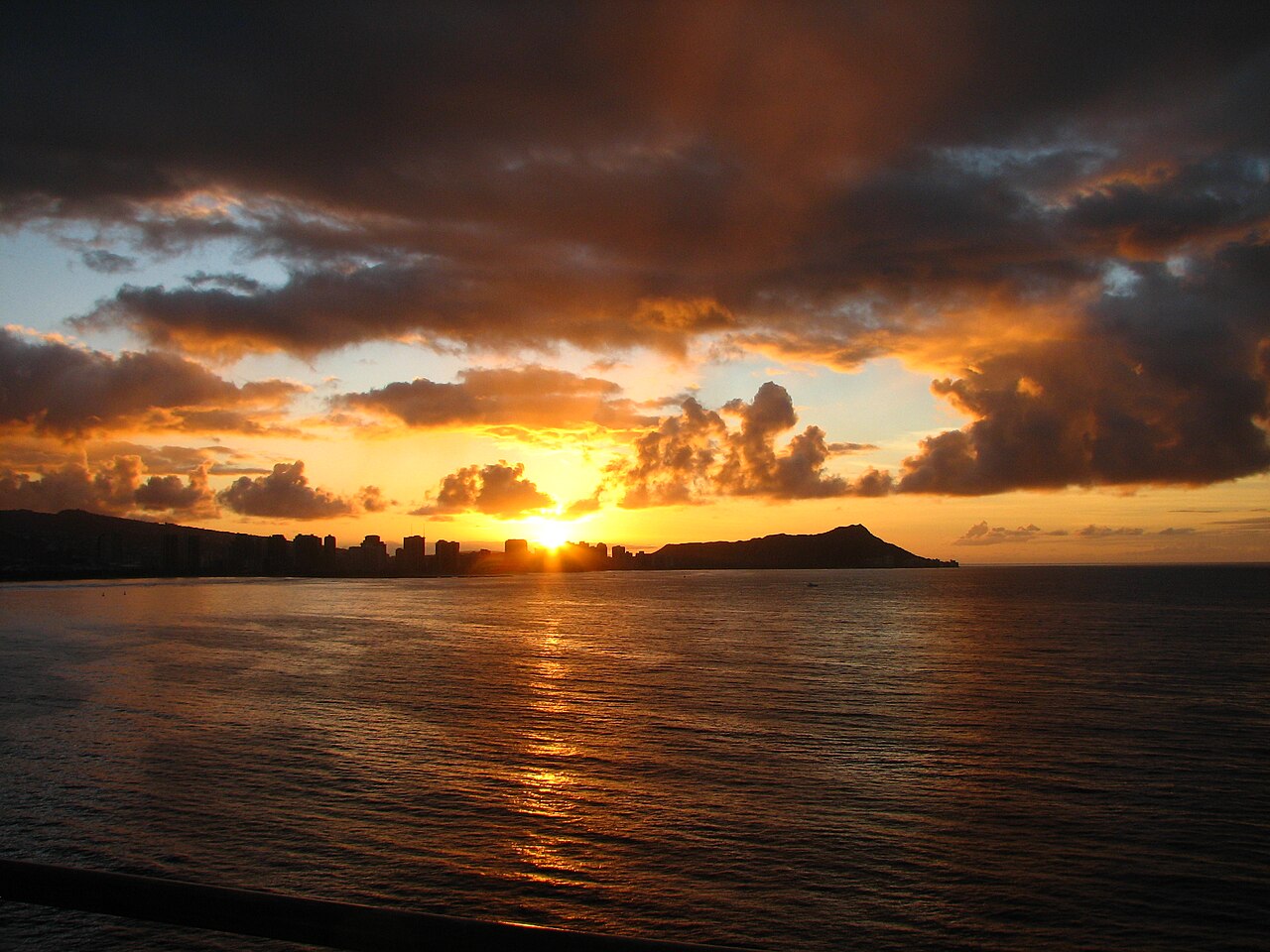
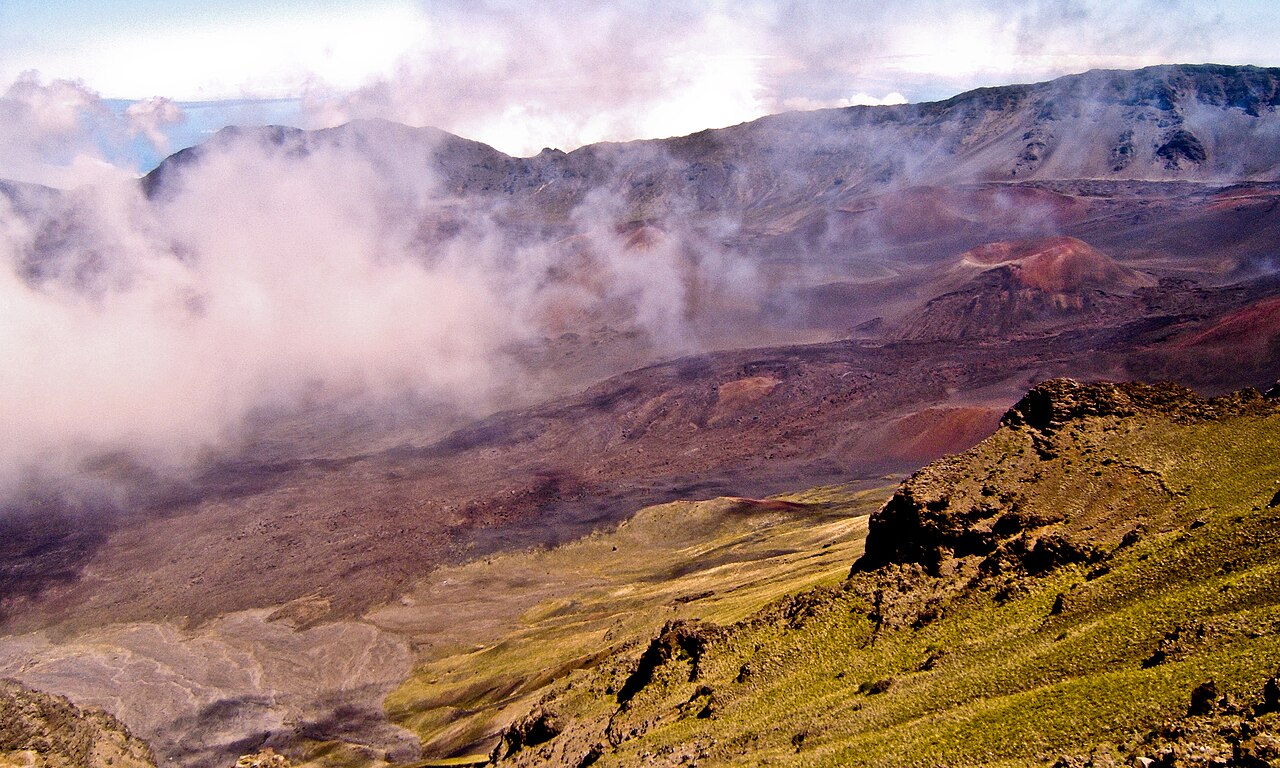
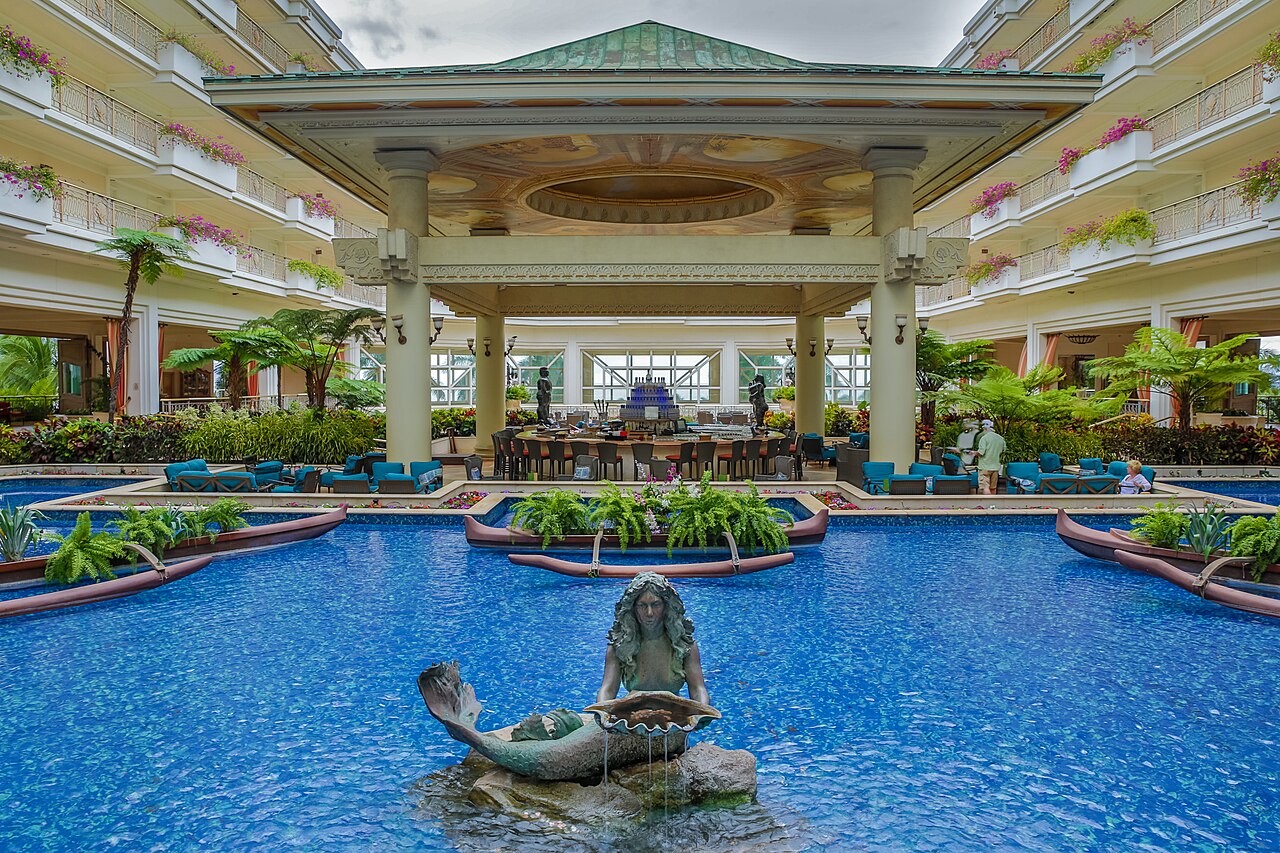
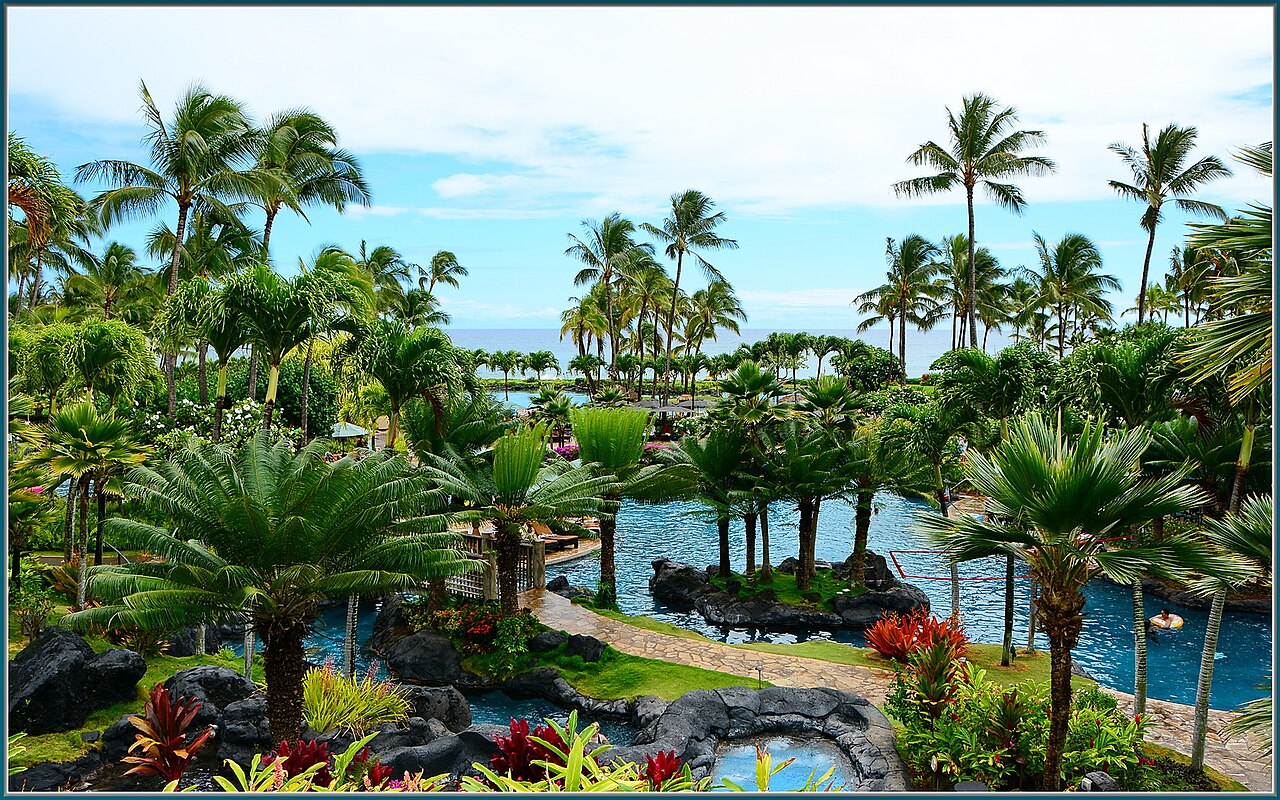
One state, four personalities. Oahu is the capital island — Waikiki's energy, Pearl Harbor's history, the North Shore's surf, and the widest range of food and nightlife. Maui is the honeymoon all-rounder: resort coasts, the Road to Hana, and sunrise atop Haleakala. The Big Island (Hawaii Island) is raw and vast — live volcanoes, black lava coasts, Mauna Kea's stars, Kona coffee. Kauai is the green one — oldest, wildest, built of cliffs and canyons, for travelers who rank nature first. First trip, one week: pick TWO islands at most. One is honestly fine.
When to come. Hawaii is good year-round — that's the point of it. Peak pricing hits mid-December through March (whale season, winter sun) and summer; the sweet spots are April-May and September-November: fewer crowds, softer prices, identical beauty. Water is calmest for snorkeling in summer; winter brings humpback whales (December-April, Maui especially) and big north-shore surf. Rain is localized — windward/north sides are wet, leeward/south sides dry — so your resort's side of the island matters more than the season.
Reservations are the new reality. Hawaii now manages its famous places: Hanauma Bay, Diamond Head, Haleakala sunrise, Waianapanapa (Road to Hana's black-sand beach), and Kauai's Haena/Kalalau trailhead all require advance online reservations for visitors, most selling out fast. The marquee luaus and Kualoa/Molokini-type tours book out weeks ahead in season. The single biggest first-timer mistake is treating these as walk-ups — calendar the booking windows as soon as flights are set.
Getting around. Rent a car on every island except (arguably) a Waikiki-only Oahu stay — the islands' best sights are drives, not transfers. Book cars early (island fleets are finite, prices move hard). Interisland hops are short flights (~30-50 minutes), best treated like buses: fly mid-morning, keep a buffer day around them, and don't over-hop — each island change costs half a day.
Costs, candidly. Hawaii is expensive — resort parking, $25 breakfasts, $200+ luaus for two. Soften it: grocery-store poke and plate lunch (the local way, and delicious), beach days between paid tours (the best things — beaches, hikes, sunsets — are free or near-free), condo/kitchen stays for families, and shoulder-season dates.
The spirit of the place. Hawaii is not a theme park; it's home to a living culture and fragile ecosystems. Use reef-safe sunscreen (it's law), never touch turtles, seals, or coral, respect sacred sites and "kapu/no trespassing" signs, learn the two words that matter (aloha, mahalo), and drive with island patience — let locals by, wave thanks. Visitors who travel lightly are the ones Hawaii welcomes back.
A sample first week (two islands). Days 1-3, Oahu: Waikiki base — Diamond Head sunrise, Pearl Harbor morning, North Shore or Kualoa day, Hanauma Bay snorkel. Days 4-7, Maui: fly over — resort/beach day, Road to Hana day, Haleakala sunrise + upcountry, Molokini snorkel + Old Lahaina Luau finale. Swap Maui for Kauai (Na Pali boat, Waimea Canyon, north-shore beaches) if wilderness outranks resort polish — or for the Big Island if volcanoes call loudest.